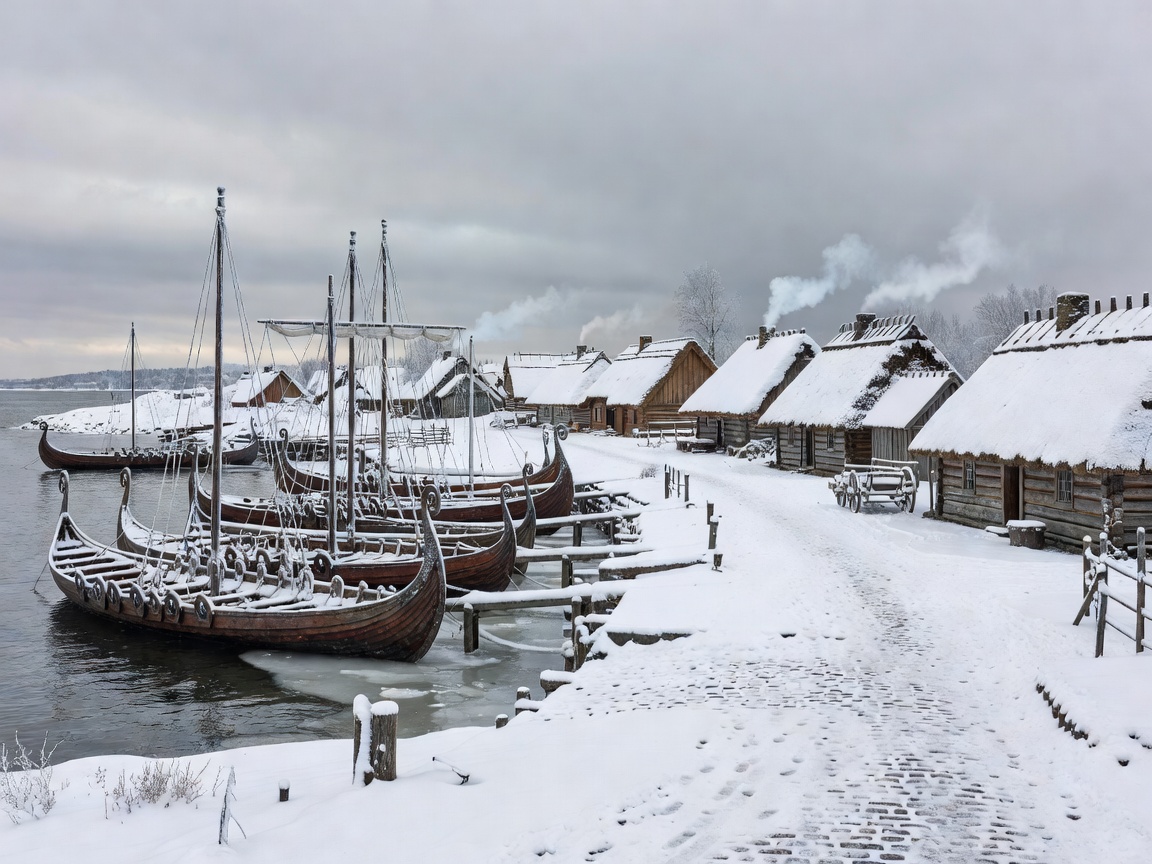
Use three filters: the landscape you want, the services you need, and the transport you can manage in winter. Snow cover and access vary by location and date. Check current local information before committing to a route.
Historic towns and urban breaks
Estonia, Latvia and Lithuania each offer historic urban centres, museums, food venues and indoor options. A town base can reduce dependence on long rural transfers. It also gives you alternatives if outdoor conditions change. Check how far your accommodation sits from transport links and the places you intend to visit. Historic streets may include uneven paving, steps and snow-clearing differences. Pack footwear with grip and allow extra time between stops.
For a compact visit, group activities by neighbourhood. Keep indoor visits available for low-light periods or unsettled weather. Do not assume that every cultural venue follows the same seasonal schedule. Check its official visitor information before departure.
Coastlines and islands
The Baltic coast changes character in winter. Wind exposure, ice and limited daylight can make a shoreline feel more remote than a town centre. Coastal villages and island areas may suit travellers looking for open landscapes and quieter surroundings. They require closer attention to transport connections, accommodation access and local service availability.
Do not treat sea ice as a route or assume it is safe to walk on. Ice conditions can change and may not be suitable for access. Follow local authorities and land managers. Use designated paths and check any access restrictions. If a coastal area has fewer services, carry essentials and keep a flexible return plan.
Forests and countryside
Forest areas provide a different winter pace. Walking routes, nature areas and rural accommodation can be spread out. Mobile coverage, lighting and public transport may vary. Confirm whether a route is maintained for winter use and whether the access point is reachable in current conditions. Do not rely on an unverified trail description or a summer map as a winter navigation plan.
Rural stays can work well for a slow break, but they need practical checks. Ask the host about road access, parking, heating, arrival instructions and nearby services. Check whether you need to bring food or supplies. If you depend on public transport, verify the latest timetable directly with the operator.
Compare the three national settings
- Estonia: Consider a mix of urban heritage, forest landscapes and exposed northern or western coast. Compare mainland and island access separately.
- Latvia: Balance a city base with forested areas and the western coastline. Check the connection between your base and any rural day trip.
- Lithuania: Compare historic urban centres, inland nature areas and the Curonian Spit region. Verify access rules and transport arrangements for the specific place.
These are broad planning categories, not a promise of snow, open facilities or easy connections. Conditions differ locally. The best fit depends on the time of year, your mobility, the length of the trip and your comfort with limited services.
Destination selection criteria
Score each option against five practical points: arrival route, daylight plan, indoor alternatives, winter services and accommodation access. Add a sixth if you plan outdoor activity: whether a local provider or authority publishes current condition guidance. Compare the total effort, not just the scenery.
- Choose a town if you want services and indoor options close by.
- Choose a coast or island for open scenery, with careful access planning.
- Choose forest or countryside for a quieter base, after confirming transport and facilities.
- Choose a mixed itinerary only when the connections are practical in winter.
Good for
Urban destinations suit first-time regional trips and visitors who value services nearby. Coastal locations suit landscape-focused travellers who can adapt plans. Forest and countryside bases suit longer stays with confirmed access and self-sufficient arrangements.
What to know
Winter daylight is limited and weather can affect transport, walking conditions and local operations. Confirm opening information, access, schedules and travel advisories with the relevant official provider. Keep an alternative plan. Avoid building a tight itinerary around one connection or one outdoor activity.
NEXT FILE
Choose how you want to move.
Review activity options and the checks that apply outdoors.
Open the activities guide