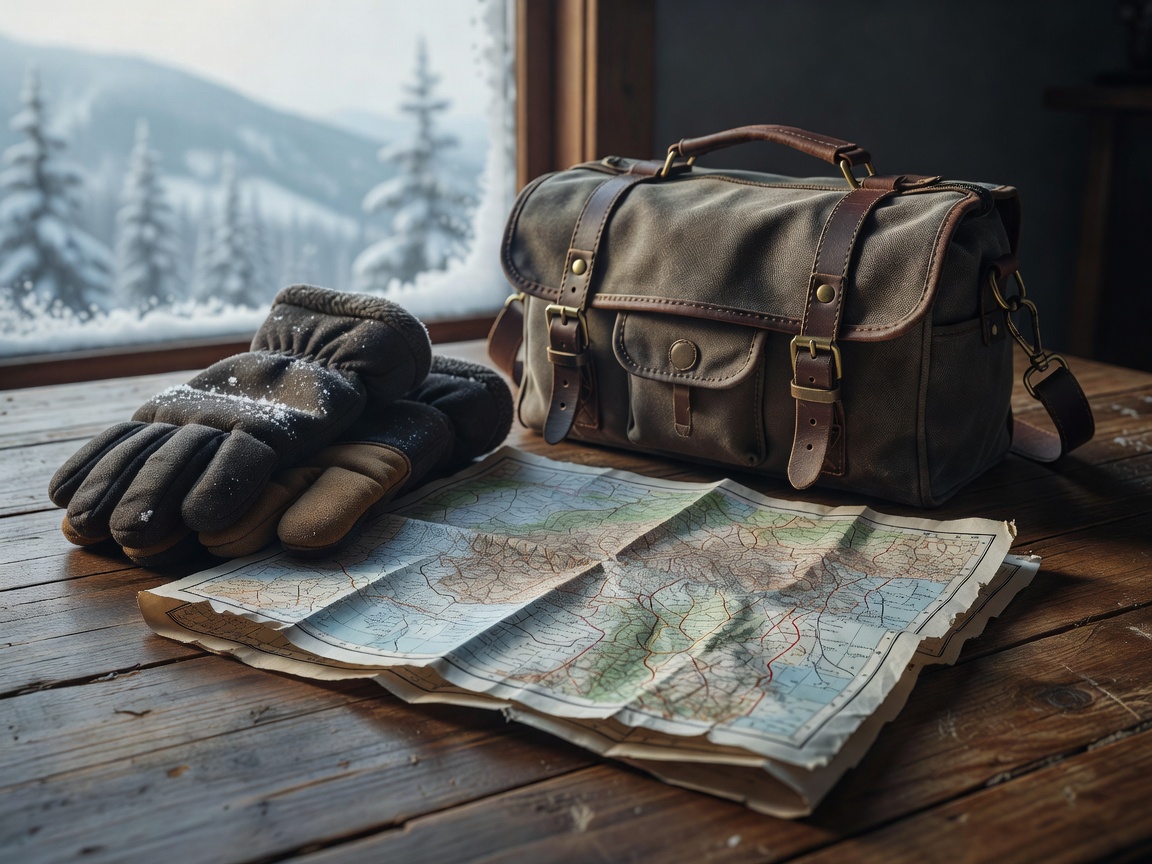
Winter planning is a sequence of checks, not a fixed forecast. Compare the route, build time for changes and verify each operational detail close to departure. Conditions can differ between nearby places and change during a trip.
Transport and connections
Compare rail, coach, ferry and road options for your actual dates. Check schedules and service notices directly with the relevant operator. Do not rely on an old timetable, a search snippet or an unconfirmed connection. If a trip includes a ferry, island transfer or rural last leg, confirm how each part connects and what happens if one segment is delayed.
Allow a practical buffer between separate bookings. Keep tickets, addresses and confirmation details accessible offline. Identify an alternative route or a place to pause if disruption affects onward travel. For rural accommodation, confirm the final connection with the host and the transport provider. Do not assume a taxi or local transfer will be available on demand.
Daylight and seasonal timing
Day length changes through the season and by latitude. Check sunrise and sunset for the specific destination and travel dates. Schedule outdoor activities within available daylight. Place indoor visits, meals and transfers around that window. A route that looks short on a map may take longer in snow, darkness or poor visibility.
Seasonal events and visitor services can have changing schedules. Confirm dates and opening arrangements through official sources. Avoid planning the whole trip around an event that has not been formally announced for your dates.
Clothing and packing
Plan for layers that can be adjusted indoors and outside. Include a warm base layer, insulating mid-layer, weather-resistant outer layer, hat, gloves and footwear suited to cold, wet or slippery surfaces. Pack spare socks and a way to keep essential items dry. Choose clothing for the activity, not just the forecast for the town centre.
Carry personal medication, a charged phone, power bank and identification. Add any equipment needed for mobility or health requirements. Check luggage restrictions with each transport provider. If you plan an outdoor activity, ask the provider what equipment is required and whether it can be rented locally.
Road conditions and safe decisions
Winter roads may be affected by snow, ice, wind, reduced visibility or changing maintenance conditions. Review official road and weather information before travel and during the journey. Follow local law and the vehicle provider’s advice. If conditions feel unsafe or authorities advise against travel, delay or change the plan. This guide does not provide driving instructions or replace local safety advice.
Do not build a tight schedule around a long winter drive. Leave flexibility for slower progress and interruptions. Check vehicle equipment and rental terms with the provider before collection. Share your itinerary with someone you trust when travelling to remote areas.
Accommodation access and flexibility
Confirm arrival hours, check-in method, road access, heating and emergency contact details with your accommodation provider. Ask what happens if you arrive late. Keep the address and instructions available offline. Review change and cancellation conditions before payment. For remote stays, confirm where essential supplies can be obtained and whether transport is needed for every outing.
Regional differences
Estonia, Latvia and Lithuania share a Baltic winter context, not one uniform set of conditions. Coast, island, inland and urban routes can differ. Border crossings, ferry links and local transport add separate operational details. Check rules, schedules and advisories that apply to the exact route and date. Use official national and local sources for live information.
Emergency preparation
Save local emergency contact details from official sources before travel. Know your accommodation address and the nearest place where you can seek help. Keep medication, identification and essential phone numbers accessible. Tell a trusted person your broad route if travelling alone or into a remote area. Follow emergency services and local authority instructions if conditions deteriorate.
Good for
This checklist suits first-time winter visitors, multi-stop itineraries, remote stays and trips that include outdoor activities. It is also useful for travellers who need to coordinate separate transport providers or have accessibility requirements.
What to know
- Schedules, prices, road conditions and availability can change.
- Use official operator and authority information close to departure.
- Build a flexible plan with indoor alternatives and connection buffers.
- Keep essential documents and directions available offline.
- Change or postpone plans when local guidance indicates a risk.
ROUTE COMPLETE
Choose a base. Check the details.
Compare winter settings before confirming your itinerary.
Return to destination selection